Traditional Chinese Medicine (TCM) is a system of observing the organism that has developed over thousands of years. It does not focus only on symptoms, but on the relationships between the functions of the organism, the rhythm of life and the ability to maintain balance. In my practice, knowledge derived from TCM is an important complement to Dźwiękopunktura™, helping me understand the individual needs of the organism more deeply and choose more precise directions of work. The basic principles of Traditional Chinese Medicine have been inscribed on the UNESCO list of intangible cultural heritage. UNESCO.
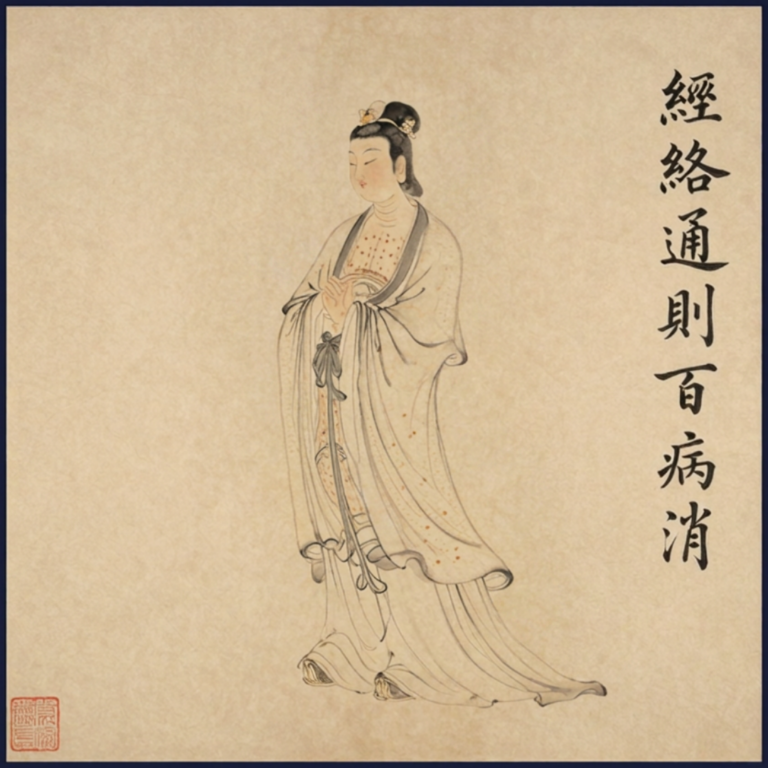
TCM is one of the oldest systems of observing the organism, developed over thousands of years on the basis of clinical practice and careful observation of the human being. Its aim is not to focus only on single symptoms, but to recognise patterns in the functioning of the whole organism and the relationships between individual systems and processes.
Unlike an approach focused mainly on the name of a disease, TCM looks for an answer to the question of why the organism has lost balance and how its natural regulatory abilities can be supported. This is why two people with the same medical diagnosis may receive completely different recommendations if the source of their problems is different.
In my practice, knowledge from Traditional Chinese Medicine is an important complement to Dźwiękopunktura™. The analysis of energetic patterns, assessment of organ function according to TCM principles, observation of the tongue, health interview and, in selected cases, elements of iridology make it possible to look at the organism from a broader perspective.
With this in mind, it is possible not only to work with sound through carefully selected intervals, but also to determine precisely the direction of work with planetary tuning forks. Recognising the organism’s pattern helps to choose appropriate intervals and acupuncture points, and to create a personalised protocol for self-practice with Dźwiękopunktura™.
From the perspective of my practice, TCM and Dźwiękopunktura™ are not separate methods competing with each other. They are two different ways of observing the same organism, which complement each other and make it possible to understand a person’s individual needs more deeply. This is why, in selected cases, Dźwiękopunktura™, herbal medicine, diet according to TCM and the analysis of the organism’s patterns form a coherent process supporting the recovery of balance and natural regulatory capacity.
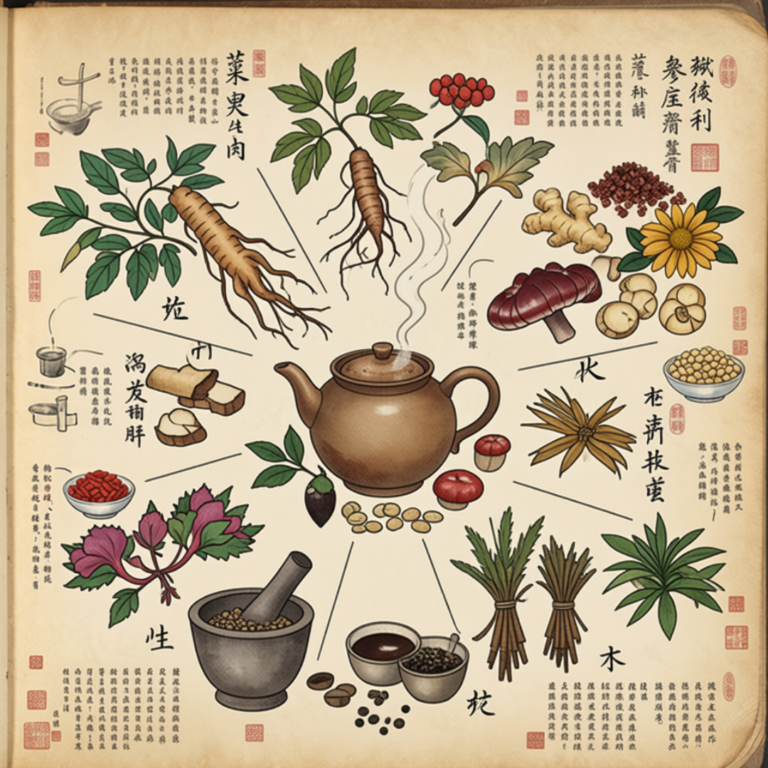
In Traditional Chinese Medicine, herbs are not selected only according to their chemical composition or the name of a disease. What matters is their energetic nature, the direction of action and their influence on a specific function of the organism. This is why two people with similar symptoms may receive completely different recommendations.
Classical TCM formulas are carefully composed combinations of many ingredients. Each herb has a specific function: chief, supportive, harmonising or guiding the action of the formula toward a particular area of the organism. This makes the formula an ordered system of relationships, not a random selection of ingredients.
The starting point is not the name of a disease, but the recognition of the organism’s functional pattern. The analysis includes, among other things, the condition of the digestive system, sleep quality, energy level, response to stress, daily rhythm and the nature of the symptoms. In my practice, this process may also be supported by tongue observation, elements of iridology and an individual assessment of the person’s predispositions.
Dźwiękopunktura™ provides the organism with regulatory information through work with frequency relationships and acupuncture points. Herbs can support this process by creating more favourable conditions for the recovery of balance. They are not a competing method, but a complementary tool that helps the organism use its own regulatory potential.
In selected cases, it is possible to develop an individual programme that includes Dźwiękopunktura™, herbal recommendations and a way of eating consistent with the recognised pattern of the organism’s functioning. This gives a person working independently with tuning forks a more comprehensive and personalised direction of work.
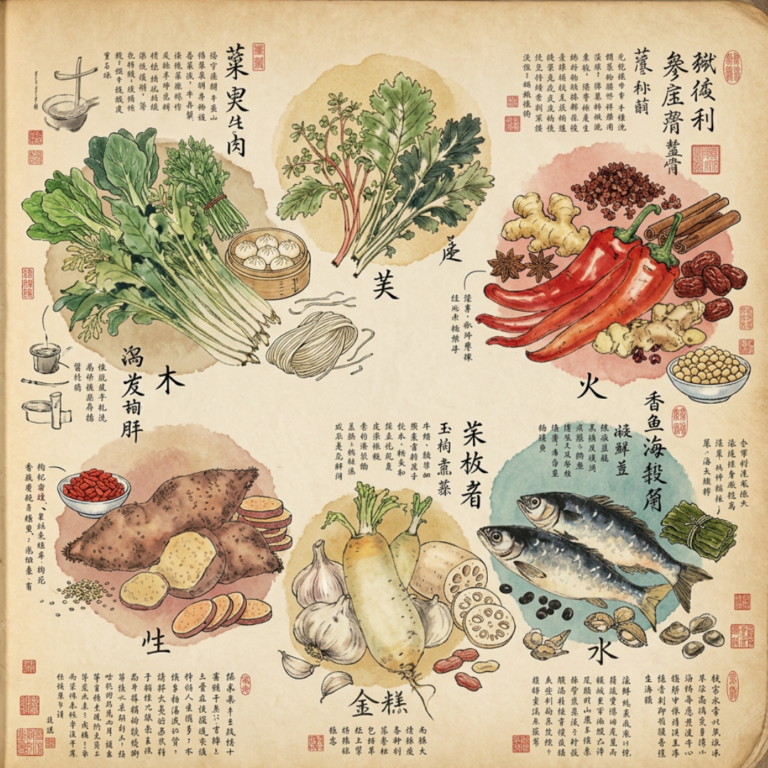
In Traditional Chinese Medicine, diet is not viewed only through the lens of nutritional value or calorie content. Food is treated as one of the factors influencing the functioning of the whole organism. What matters is not only what we eat, but also how meals are prepared, their temperature, the regularity of eating and how well they are adapted to the organism’s current needs.
According to TCM, every food product has a specific nature and direction of action. Some foods support warming the organism, others help cool excess Heat, dry Dampness or nourish deficiencies. This is why the same dietary recommendations will not be appropriate for every person. The starting point is always an individual assessment of the way the organism functions and the recognition of dominant patterns.
One of the important elements of TCM dietetics is the theory of the Five Phases, which describes mutual relationships between processes taking place in the organism. In practice, it helps to create a more ordered way of eating, taking into account balance of flavours, properties of foods and the natural rhythms of transformation occurring in the organism. It is not about rigidly following rules, but about better understanding the relationship between food and wellbeing.
Traditional Chinese Medicine considers the digestive system one of the most important pillars of health. The quality of digestive processes determines the organism’s ability to generate energy, regenerate and maintain internal balance. That is why, in the case of digestive complaints, the aim is not only to eliminate individual foods, but to improve the conditions necessary for proper digestion and assimilation of nutrients.
In my practice, the way of eating is treated as one of the elements of a broader regulatory process. Dźwiękopunktura™, herbal medicine and diet are not separate methods acting independently of one another. Each of them brings different information about the organism’s functioning and can support the process of restoring balance. In selected cases, dietary recommendations become a natural complement to work with planetary tuning forks and individually selected herbal formulas.
If the analysis of the organism indicates such a need, I prepare individual dietary recommendations based on TCM principles, the current state of the organism and the aims of the therapeutic process. This allows the person working with Dźwiękopunktura™ to receive a coherent programme supporting natural regulatory processes and the rebuilding of balance in the organism.
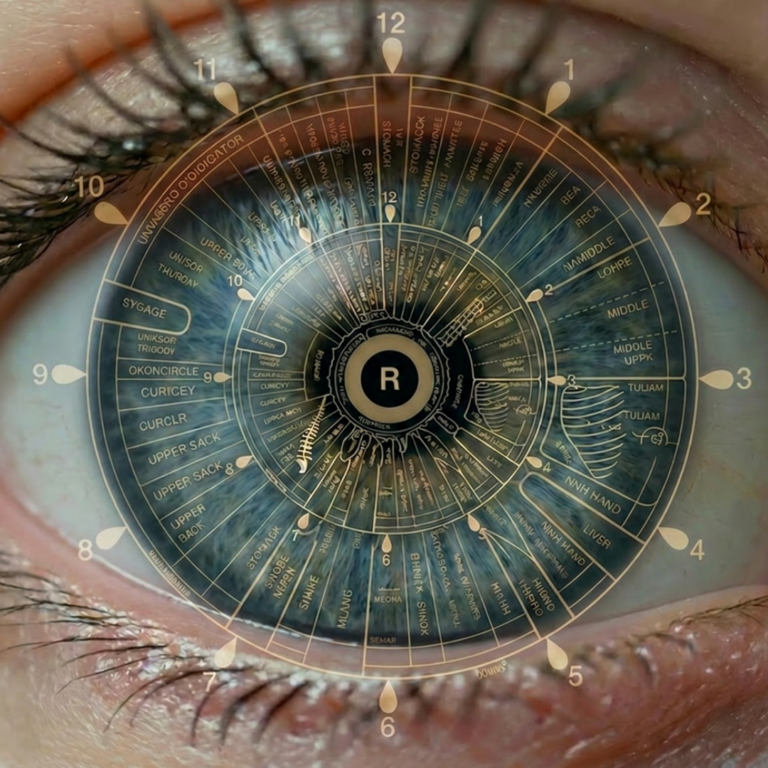
Iridology is the observation of individual constitutional features in the iris of the eye. In my practice, it is not an independent diagnostic method, but one of the tools that support the assessment of the organism’s functioning. Iridology is not used to diagnose disease entities and does not replace medical tests. In my practice, it is one of the tools supporting the process of observing the organism.
In selected cases, iris analysis may complement information obtained during the consultation, tongue observation, assessment of TCM patterns and analysis of reported symptoms.
Each tool shows the organism from a slightly different perspective. Combining observations used in TCM with iris analysis allows me to look at the person in a more complete way and better adapt the direction of work. Iridology is a tool for observing the organism that supports the process of functional analysis.
For the analysis, clear photographs of both eyes taken with a mobile phone are needed.
The photos should meet the following conditions:
If the eyelid partially covers the iris, gently lift it with your fingers and hold it while taking the photo, so that the entire surface of the iris is visible. In case of doubt, you may send several photos of each eye — I will choose the ones most suitable for analysis.
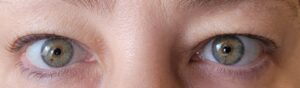
Example of a photo suitable for analysis.
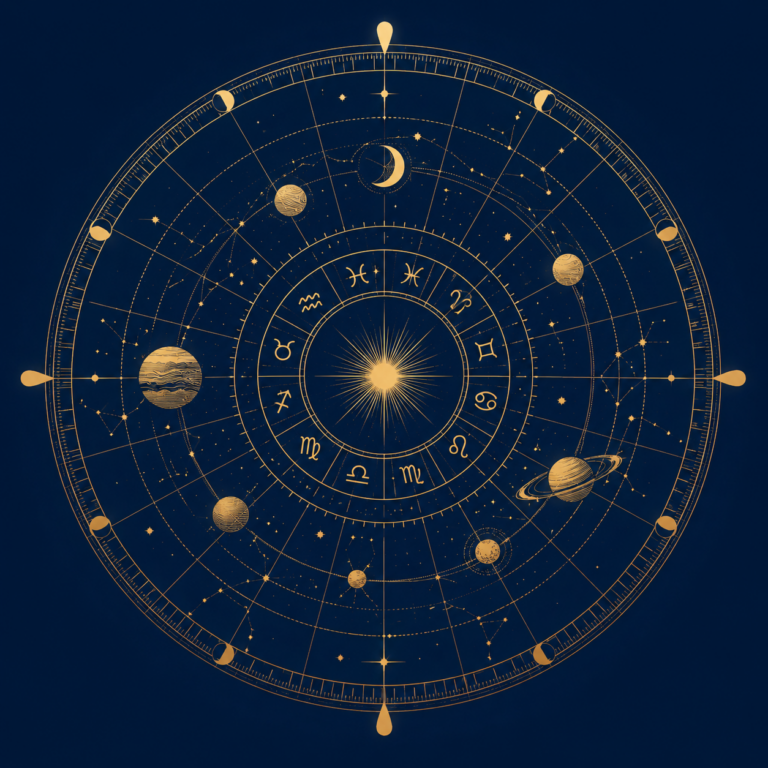
The birth cosmogram is an additional tool that can support the observation of a person’s individual predispositions. I use it primarily to analyse natal planetary configurations and their possible relationships with the functioning of the organism.
It is not used to make a medical diagnosis, but it may provide additional information supporting the individual choice of direction in Classical Homeopathy, TCM and the development of Dźwiękopunktura™ protocols.
Data needed to prepare the cosmogram:
Explore the available forms of cooperation and choose the option that best suits your needs.
TCM jest odrębnym systemem obserwacji organizmu rozwijanym przez tysiące lat. W mojej praktyce stanowi narzędzie wspierające analizę funkcjonowania organizmu oraz dobór indywidualnych zaleceń.
Tak. Receptura ziołowa dobierana jest na podstawie rozpoznanego wzorca funkcjonowania organizmu zgodnie z zasadami TCM. Nie korzystam z gotowych mieszanek ziół ,ani preparatów „uniwersalnych” na problemy.
No. Diet according to TCM takes into account, among other things, the nature of foods, the way they are prepared and the current needs of the organism.
Yes. In many cases, knowledge from TCM helps to choose the direction of work with Dźwiękopunktura™ more precisely, creating a coherent programme that supports the organism’s regulatory processes.
No. Iridology is an additional tool for observing the organism, broadening the diagnostic perspective and sometimes helping to clarify the causes of certain complaints.
No. The cosmogram is not part of TCM diagnosis, but it is an additional source of supportive information when deciding on a therapeutic direction, both in TCM and in classical homeopathy.